Nepal Travel Vaccinations and Health Advice
Altitude comes into the conversation early
For Nepal, the first travel health question is often not malaria. It is altitude. Treks above 2,500 metres, changing sleeping heights and remote access to medical care can matter as much as vaccines. City Of London Clinic in London sees travellers heading to Kathmandu, the Terai, Annapurna routes, Everest Base Camp and family visits across Nepal. This page gives you the practical version: which vaccines are commonly considered, where mosquitoes matter, and what to plan before departure.
For Nepal, the first travel health question is often not malaria. It is altitude. Treks above 2,500 metres, changing sleeping heights and remote access to medical care can matter as much as vaccines. City Of London Clinic in London sees travellers heading to Kathmandu, the Terai, Annapurna routes, Everest Base Camp and family visits across Nepal. This page gives you the practical version: which vaccines are commonly considered, where mosquitoes matter, and what to plan before departure.
What your Nepal itinerary usually tells us
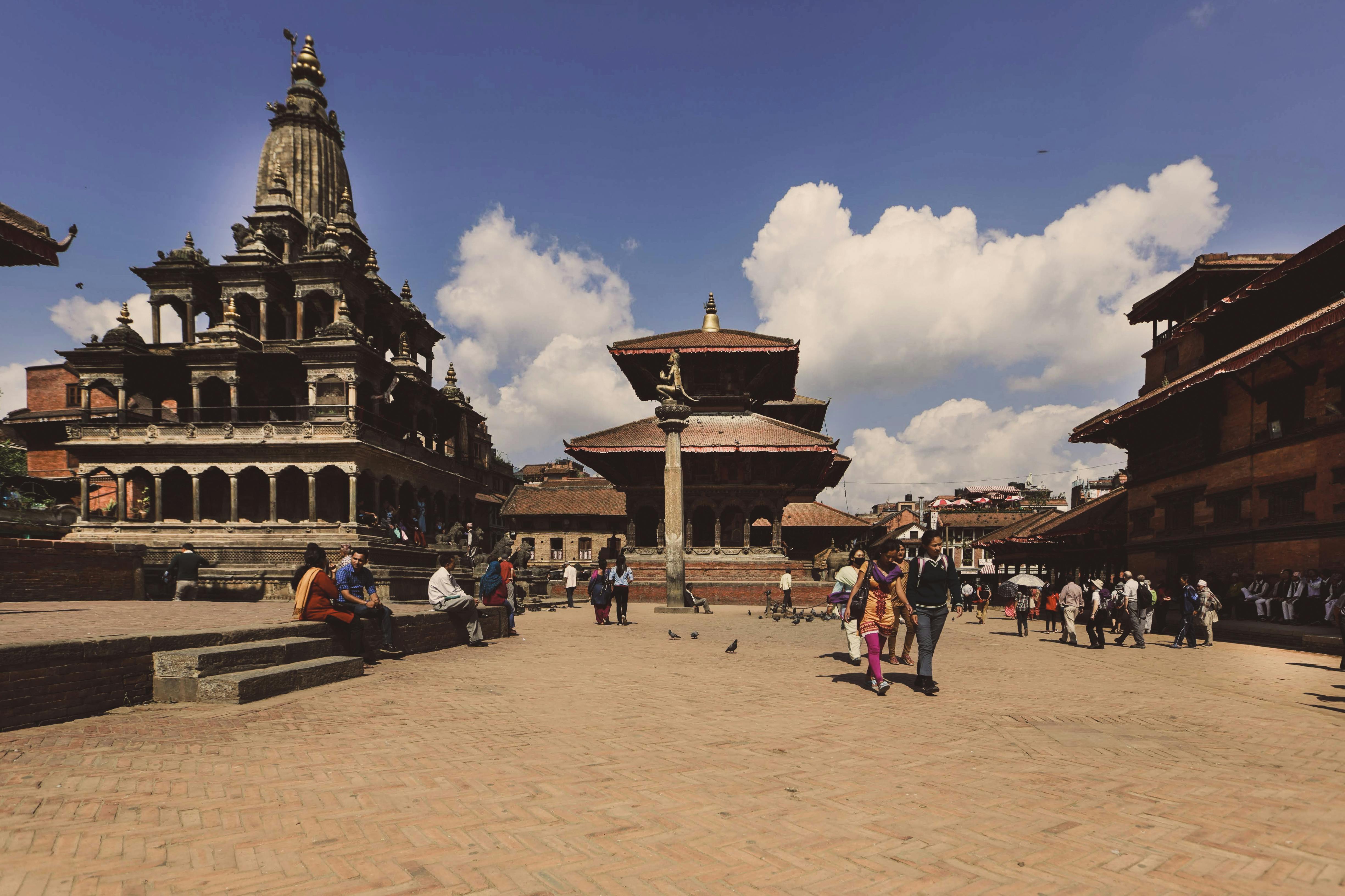
Nepal trips vary sharply. A short Kathmandu stay is different from two weeks walking at height, and both differ from time in the lowland Terai near the Indian border. Many UK travellers go for trekking, volunteering, organised tours, spiritual or study trips, or to visit friends and relatives. Families may combine Kathmandu with Pokhara and shorter walks. Others spend longer in rural districts where sanitation, animal contact and access to prompt medical care can be less predictable.
That detail changes the health briefing. Sleeping altitude, rural nights, season, transport, food arrangements and how far you may be from a clinic all shape the advice. Bring your route, even if it is only a rough plan.
Nepal trips vary sharply. A short Kathmandu stay is different from two weeks walking at height, and both differ from time in the lowland Terai near the Indian border. Many UK travellers go for trekking, volunteering, organised tours, spiritual or study trips, or to visit friends and relatives. Families may combine Kathmandu with Pokhara and shorter walks. Others spend longer in rural districts where sanitation, animal contact and access to prompt medical care can be less predictable.
That detail changes the health briefing. Sleeping altitude, rural nights, season, transport, food arrangements and how far you may be from a clinic all shape the advice. Bring your route, even if it is only a rough plan.
Nepal trips vary sharply. A short Kathmandu stay is different from two weeks walking at height, and both differ from time in the lowland Terai near the Indian border. Many UK travellers go for trekking, volunteering, organised tours, spiritual or study trips, or to visit friends and relatives. Families may combine Kathmandu with Pokhara and shorter walks. Others spend longer in rural districts where sanitation, animal contact and access to prompt medical care can be less predictable.
That detail changes the health briefing. Sleeping altitude, rural nights, season, transport, food arrangements and how far you may be from a clinic all shape the advice. Bring your route, even if it is only a rough plan.
Altitude usually matters before malaria does
Nepal has major altitude exposure. Kathmandu is around 1,220 metres, but many trekking routes climb well above 2,500 metres. Everest Base Camp is around 5,300 metres and Thorong La on the Annapurna Circuit is over 5,400 metres. Acute mountain sickness can start gradually with headache, poor sleep, nausea or unusual tiredness. Severe altitude illness is uncommon, but serious. Rapid ascent and high sleeping altitude raise the risk.
Hepatitis A is commonly recommended for previously unvaccinated travellers because it spreads through contaminated food and water. Typhoid vaccination is also usually relevant, especially for longer trips, rural travel, visiting friends and relatives, or eating in places where hygiene is uncertain. Tetanus should be up to date, particularly for trekking, cycling or remote travel where cuts and grazes are plausible.
Malaria risk is low in Nepal below 1,500 metres, particularly in the Terai. It is not considered a risk in Kathmandu or on typical Himalayan treks. For most travellers, bite avoidance is the key point; malaria tablets are usually reserved for specific higher-risk situations after assessment.
Dengue and chikungunya are mosquito-borne risks in Nepal, and the mosquitoes involved often bite during the day. Japanese encephalitis may be relevant for longer rural stays, repeated travel, uncertain itineraries or visits near rice fields and pig farming areas. Rabies is also a real consideration, especially for children, cyclists, runners, long-stay travellers and anyone heading somewhere post-bite treatment may be hard to reach.
There is no yellow fever risk in Nepal, but a certificate can be required if you arrive from, or transit for more than 12 hours through, a yellow fever risk country. Proof of polio vaccination may also matter for some travellers depending on wider international rules.
Nepal has major altitude exposure. Kathmandu is around 1,220 metres, but many trekking routes climb well above 2,500 metres. Everest Base Camp is around 5,300 metres and Thorong La on the Annapurna Circuit is over 5,400 metres. Acute mountain sickness can start gradually with headache, poor sleep, nausea or unusual tiredness. Severe altitude illness is uncommon, but serious. Rapid ascent and high sleeping altitude raise the risk.
Hepatitis A is commonly recommended for previously unvaccinated travellers because it spreads through contaminated food and water. Typhoid vaccination is also usually relevant, especially for longer trips, rural travel, visiting friends and relatives, or eating in places where hygiene is uncertain. Tetanus should be up to date, particularly for trekking, cycling or remote travel where cuts and grazes are plausible.
Malaria risk is low in Nepal below 1,500 metres, particularly in the Terai. It is not considered a risk in Kathmandu or on typical Himalayan treks. For most travellers, bite avoidance is the key point; malaria tablets are usually reserved for specific higher-risk situations after assessment.
Dengue and chikungunya are mosquito-borne risks in Nepal, and the mosquitoes involved often bite during the day. Japanese encephalitis may be relevant for longer rural stays, repeated travel, uncertain itineraries or visits near rice fields and pig farming areas. Rabies is also a real consideration, especially for children, cyclists, runners, long-stay travellers and anyone heading somewhere post-bite treatment may be hard to reach.
There is no yellow fever risk in Nepal, but a certificate can be required if you arrive from, or transit for more than 12 hours through, a yellow fever risk country. Proof of polio vaccination may also matter for some travellers depending on wider international rules.
Nepal has major altitude exposure. Kathmandu is around 1,220 metres, but many trekking routes climb well above 2,500 metres. Everest Base Camp is around 5,300 metres and Thorong La on the Annapurna Circuit is over 5,400 metres. Acute mountain sickness can start gradually with headache, poor sleep, nausea or unusual tiredness. Severe altitude illness is uncommon, but serious. Rapid ascent and high sleeping altitude raise the risk.
Hepatitis A is commonly recommended for previously unvaccinated travellers because it spreads through contaminated food and water. Typhoid vaccination is also usually relevant, especially for longer trips, rural travel, visiting friends and relatives, or eating in places where hygiene is uncertain. Tetanus should be up to date, particularly for trekking, cycling or remote travel where cuts and grazes are plausible.
Malaria risk is low in Nepal below 1,500 metres, particularly in the Terai. It is not considered a risk in Kathmandu or on typical Himalayan treks. For most travellers, bite avoidance is the key point; malaria tablets are usually reserved for specific higher-risk situations after assessment.
Dengue and chikungunya are mosquito-borne risks in Nepal, and the mosquitoes involved often bite during the day. Japanese encephalitis may be relevant for longer rural stays, repeated travel, uncertain itineraries or visits near rice fields and pig farming areas. Rabies is also a real consideration, especially for children, cyclists, runners, long-stay travellers and anyone heading somewhere post-bite treatment may be hard to reach.
There is no yellow fever risk in Nepal, but a certificate can be required if you arrive from, or transit for more than 12 hours through, a yellow fever risk country. Proof of polio vaccination may also matter for some travellers depending on wider international rules.
Bring your route, dates and trekking plan
Book a travel health consultation four to six weeks before travel if you can. That gives enough time to review routine UK vaccines, start travel vaccine courses where needed and discuss altitude planning properly. If you are leaving sooner, still come in. Some protection and advice can still be arranged at short notice.
For Nepal, your appointment should cover your exact route, maximum sleeping altitude, days spent above 2,500 metres, rural stays, animal exposure, previous vaccines and medical history. If you have asthma, heart disease, pregnancy, diabetes, reduced immunity or a history of altitude problems, come earlier.
Pack insect repellent for daytime and evening use. Be careful with food and water, particularly outside higher-standard hotels or organised trekking lodges. Good insurance matters too; make sure it covers trekking altitude and emergency evacuation if your itinerary needs it.
Book a travel health consultation four to six weeks before travel if you can. That gives enough time to review routine UK vaccines, start travel vaccine courses where needed and discuss altitude planning properly. If you are leaving sooner, still come in. Some protection and advice can still be arranged at short notice.
For Nepal, your appointment should cover your exact route, maximum sleeping altitude, days spent above 2,500 metres, rural stays, animal exposure, previous vaccines and medical history. If you have asthma, heart disease, pregnancy, diabetes, reduced immunity or a history of altitude problems, come earlier.
Pack insect repellent for daytime and evening use. Be careful with food and water, particularly outside higher-standard hotels or organised trekking lodges. Good insurance matters too; make sure it covers trekking altitude and emergency evacuation if your itinerary needs it.
Book a travel health consultation four to six weeks before travel if you can. That gives enough time to review routine UK vaccines, start travel vaccine courses where needed and discuss altitude planning properly. If you are leaving sooner, still come in. Some protection and advice can still be arranged at short notice.
For Nepal, your appointment should cover your exact route, maximum sleeping altitude, days spent above 2,500 metres, rural stays, animal exposure, previous vaccines and medical history. If you have asthma, heart disease, pregnancy, diabetes, reduced immunity or a history of altitude problems, come earlier.
Pack insect repellent for daytime and evening use. Be careful with food and water, particularly outside higher-standard hotels or organised trekking lodges. Good insurance matters too; make sure it covers trekking altitude and emergency evacuation if your itinerary needs it.
Local advice before you fly
Nepal is not a destination to reduce to a single jab list. The advice is different for a Kathmandu meeting, a three-week trek and a rural family visit. City Of London Clinic can review your plans and advise on suitable vaccinations, malaria precautions, altitude preparation and practical risk reduction. If you work near Farringdon or Moorgate, booking a pre-travel appointment is usually simple around the working day. Call 02072539691 to arrange a visit.
Nepal is not a destination to reduce to a single jab list. The advice is different for a Kathmandu meeting, a three-week trek and a rural family visit. City Of London Clinic can review your plans and advise on suitable vaccinations, malaria precautions, altitude preparation and practical risk reduction. If you work near Farringdon or Moorgate, booking a pre-travel appointment is usually simple around the working day. Call 02072539691 to arrange a visit.
Nepal is not a destination to reduce to a single jab list. The advice is different for a Kathmandu meeting, a three-week trek and a rural family visit. City Of London Clinic can review your plans and advise on suitable vaccinations, malaria precautions, altitude preparation and practical risk reduction. If you work near Farringdon or Moorgate, booking a pre-travel appointment is usually simple around the working day. Call 02072539691 to arrange a visit.
FAQ
Travel Health FAQs
Find clear answers to the most common travel health and malaria prevention questions.
Find clear answers to the most common travel health and malaria prevention questions.
How far before travelling to Nepal should I book travel vaccinations?
Aim for four to six weeks before departure. That gives time to check your routine UK immunisations and complete any travel vaccine courses that need more than one dose. If you are travelling sooner, an appointment is still worthwhile.
Which vaccines are usually considered for Nepal?
Do I need malaria tablets for Nepal?
Is altitude sickness a real risk in Nepal?
Is rabies vaccination worth considering before Nepal?
How far before travelling to Nepal should I book travel vaccinations?
Aim for four to six weeks before departure. That gives time to check your routine UK immunisations and complete any travel vaccine courses that need more than one dose. If you are travelling sooner, an appointment is still worthwhile.
Which vaccines are usually considered for Nepal?
Do I need malaria tablets for Nepal?
Is altitude sickness a real risk in Nepal?
Is rabies vaccination worth considering before Nepal?