Chikungunya Vaccine in London
Chikungunya vaccination before you travel
Chikungunya has become a more practical concern for some travellers, especially with outbreaks reported across parts of Asia, Africa, the Caribbean and the Americas. At City Of London Clinic in London, we can assess whether the vaccine makes sense for your route, length of stay and medical background. This page covers what chikungunya is, who may be advised to consider vaccination, and what to expect from the appointment.
Chikungunya has become a more practical concern for some travellers, especially with outbreaks reported across parts of Asia, Africa, the Caribbean and the Americas. At City Of London Clinic in London, we can assess whether the vaccine makes sense for your route, length of stay and medical background. This page covers what chikungunya is, who may be advised to consider vaccination, and what to expect from the appointment.
A mosquito-borne virus that can leave joints painful for months
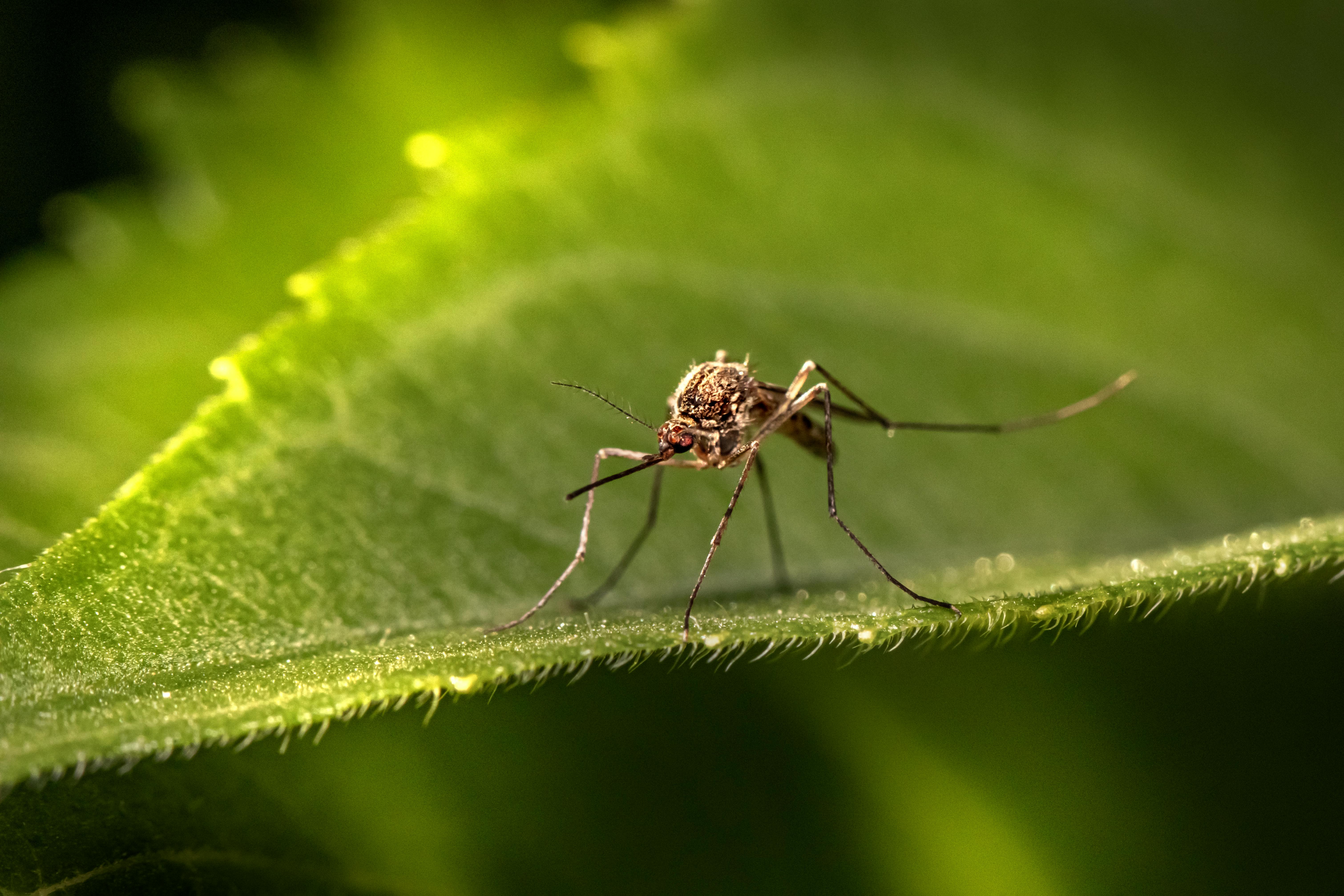
Chikungunya is a viral infection spread mainly by infected Aedes mosquitoes. These are daytime biters, with activity often higher around mid-morning and from late afternoon towards dusk. They breed close to people, including in small collections of water around homes, hotels and urban areas.
The illness often starts suddenly, usually a few days after a bite. Fever, headache, rash, muscle pain and marked joint pain are typical. The joint pain is the feature travellers tend to remember. Wrists, hands, ankles and feet can be affected, and while many people recover within a week or two, some have persistent joint symptoms for months. Serious complications are uncommon, but babies, older adults and people with underlying health problems may be at higher risk of severe illness.
There is no specific antiviral treatment for chikungunya. Care usually means fluids, rest and medicines for fever or pain, so avoiding infection before travel matters.
Chikungunya is a viral infection spread mainly by infected Aedes mosquitoes. These are daytime biters, with activity often higher around mid-morning and from late afternoon towards dusk. They breed close to people, including in small collections of water around homes, hotels and urban areas.
The illness often starts suddenly, usually a few days after a bite. Fever, headache, rash, muscle pain and marked joint pain are typical. The joint pain is the feature travellers tend to remember. Wrists, hands, ankles and feet can be affected, and while many people recover within a week or two, some have persistent joint symptoms for months. Serious complications are uncommon, but babies, older adults and people with underlying health problems may be at higher risk of severe illness.
There is no specific antiviral treatment for chikungunya. Care usually means fluids, rest and medicines for fever or pain, so avoiding infection before travel matters.
Chikungunya is a viral infection spread mainly by infected Aedes mosquitoes. These are daytime biters, with activity often higher around mid-morning and from late afternoon towards dusk. They breed close to people, including in small collections of water around homes, hotels and urban areas.
The illness often starts suddenly, usually a few days after a bite. Fever, headache, rash, muscle pain and marked joint pain are typical. The joint pain is the feature travellers tend to remember. Wrists, hands, ankles and feet can be affected, and while many people recover within a week or two, some have persistent joint symptoms for months. Serious complications are uncommon, but babies, older adults and people with underlying health problems may be at higher risk of severe illness.
There is no specific antiviral treatment for chikungunya. Care usually means fluids, rest and medicines for fever or pain, so avoiding infection before travel matters.
What the chikungunya vaccine does, and where its limits sit
Chikungunya vaccines are designed to reduce the risk of illness caused by chikungunya virus. They do not protect against dengue, Zika, malaria or other mosquito-borne infections, so bite precautions still matter: repellent, clothing coverage, screened rooms and care during daylight hours.
Current UK guidance allows vaccination to be considered for travellers going to areas with active chikungunya outbreaks, long-term or frequent travellers to places with recent chikungunya transmission, and some laboratory staff who work with the virus. The vaccines are given as a single intramuscular injection. One vaccine may be used from age 12, while the live vaccine has more restricted use and is generally considered for immunocompetent adults within a narrower adult age range. Older adults, people with immune system problems, pregnancy, some medical histories and certain medicines need a more careful discussion before any decision is made.
The need for a booster has not yet been established. Because the vaccines are relatively new in UK travel practice, we check the latest guidance at the appointment rather than treating it as a routine jab for every tropical trip.
Chikungunya vaccines are designed to reduce the risk of illness caused by chikungunya virus. They do not protect against dengue, Zika, malaria or other mosquito-borne infections, so bite precautions still matter: repellent, clothing coverage, screened rooms and care during daylight hours.
Current UK guidance allows vaccination to be considered for travellers going to areas with active chikungunya outbreaks, long-term or frequent travellers to places with recent chikungunya transmission, and some laboratory staff who work with the virus. The vaccines are given as a single intramuscular injection. One vaccine may be used from age 12, while the live vaccine has more restricted use and is generally considered for immunocompetent adults within a narrower adult age range. Older adults, people with immune system problems, pregnancy, some medical histories and certain medicines need a more careful discussion before any decision is made.
The need for a booster has not yet been established. Because the vaccines are relatively new in UK travel practice, we check the latest guidance at the appointment rather than treating it as a routine jab for every tropical trip.
Chikungunya vaccines are designed to reduce the risk of illness caused by chikungunya virus. They do not protect against dengue, Zika, malaria or other mosquito-borne infections, so bite precautions still matter: repellent, clothing coverage, screened rooms and care during daylight hours.
Current UK guidance allows vaccination to be considered for travellers going to areas with active chikungunya outbreaks, long-term or frequent travellers to places with recent chikungunya transmission, and some laboratory staff who work with the virus. The vaccines are given as a single intramuscular injection. One vaccine may be used from age 12, while the live vaccine has more restricted use and is generally considered for immunocompetent adults within a narrower adult age range. Older adults, people with immune system problems, pregnancy, some medical histories and certain medicines need a more careful discussion before any decision is made.
The need for a booster has not yet been established. Because the vaccines are relatively new in UK travel practice, we check the latest guidance at the appointment rather than treating it as a routine jab for every tropical trip.
What the chikungunya vaccine does, and where its limits sit
Chikungunya occurs in tropical and subtropical regions, but the risk moves with outbreaks, mosquito activity and rainfall. Recent and historical problem areas include parts of India and the wider Indian subcontinent, South East Asia, East and West Africa, Indian Ocean islands, the Caribbean, Central America, South America and some Pacific islands. UK traveller cases have included people returning from India, Pakistan and Brazil.
Small outbreaks have also happened in parts of southern Europe, including France and Italy, which shows why current outbreak information matters. A two-week hotel stay in a city during an outbreak is different from a short airport stopover. Long stays, repeated visits, work in affected communities and travel during rainy seasons can all raise the relevance of vaccination.
Chikungunya occurs in tropical and subtropical regions, but the risk moves with outbreaks, mosquito activity and rainfall. Recent and historical problem areas include parts of India and the wider Indian subcontinent, South East Asia, East and West Africa, Indian Ocean islands, the Caribbean, Central America, South America and some Pacific islands. UK traveller cases have included people returning from India, Pakistan and Brazil.
Small outbreaks have also happened in parts of southern Europe, including France and Italy, which shows why current outbreak information matters. A two-week hotel stay in a city during an outbreak is different from a short airport stopover. Long stays, repeated visits, work in affected communities and travel during rainy seasons can all raise the relevance of vaccination.
Chikungunya occurs in tropical and subtropical regions, but the risk moves with outbreaks, mosquito activity and rainfall. Recent and historical problem areas include parts of India and the wider Indian subcontinent, South East Asia, East and West Africa, Indian Ocean islands, the Caribbean, Central America, South America and some Pacific islands. UK traveller cases have included people returning from India, Pakistan and Brazil.
Small outbreaks have also happened in parts of southern Europe, including France and Italy, which shows why current outbreak information matters. A two-week hotel stay in a city during an outbreak is different from a short airport stopover. Long stays, repeated visits, work in affected communities and travel during rainy seasons can all raise the relevance of vaccination.
Fit the appointment in while your itinerary is still flexible
If chikungunya is on your destination list, book once your route and dates are firm, ideally several weeks before you leave. City Of London Clinic can review the vaccine alongside your wider travel health needs, including malaria advice and other travel jabs if relevant. The clinic is on Goswell Road, convenient for patients coming from Farringdon and Moorgate. Call 02072539691 to book an appointment.
If chikungunya is on your destination list, book once your route and dates are firm, ideally several weeks before you leave. City Of London Clinic can review the vaccine alongside your wider travel health needs, including malaria advice and other travel jabs if relevant. The clinic is on Goswell Road, convenient for patients coming from Farringdon and Moorgate. Call 02072539691 to book an appointment.
If chikungunya is on your destination list, book once your route and dates are firm, ideally several weeks before you leave. City Of London Clinic can review the vaccine alongside your wider travel health needs, including malaria advice and other travel jabs if relevant. The clinic is on Goswell Road, convenient for patients coming from Farringdon and Moorgate. Call 02072539691 to book an appointment.
FAQ
Travel Health FAQs
Find clear answers to the most common travel health and malaria prevention questions.
Find clear answers to the most common travel health and malaria prevention questions.
Who should get the chikungunya vaccine?
Book as soon as your travel dates and route are reasonably clear, ideally several weeks before departure. The vaccine is a single injection, but suitability, availability and your wider travel vaccine schedule still need checking.
How many doses does the chikungunya vaccine require?
Is the chikungunya vaccine available on the NHS?
How long before travel should I get the chikungunya vaccine?
Can I get the chikungunya vaccine alongside other travel vaccines?
Who should get the chikungunya vaccine?
Book as soon as your travel dates and route are reasonably clear, ideally several weeks before departure. The vaccine is a single injection, but suitability, availability and your wider travel vaccine schedule still need checking.
How many doses does the chikungunya vaccine require?
Is the chikungunya vaccine available on the NHS?
How long before travel should I get the chikungunya vaccine?
Can I get the chikungunya vaccine alongside other travel vaccines?