Malaria Prevention Advice and Tablets in London
Malaria advice before you travel
Malaria planning is not a box-ticking exercise. The right advice can differ between two people visiting the same country, especially if one is staying in a city hotel and the other is travelling inland, visiting family, working outdoors or going during the rainy season. At City Of London Clinic in central London, we can talk through your route, dates and medical history, then advise on malaria tablets, bite prevention and what to do if you develop a fever after travel.
Malaria planning is not a box-ticking exercise. The right advice can differ between two people visiting the same country, especially if one is staying in a city hotel and the other is travelling inland, visiting family, working outdoors or going during the rainy season. At City Of London Clinic in central London, we can talk through your route, dates and medical history, then advise on malaria tablets, bite prevention and what to do if you develop a fever after travel.
A mosquito-borne infection that can become serious quickly
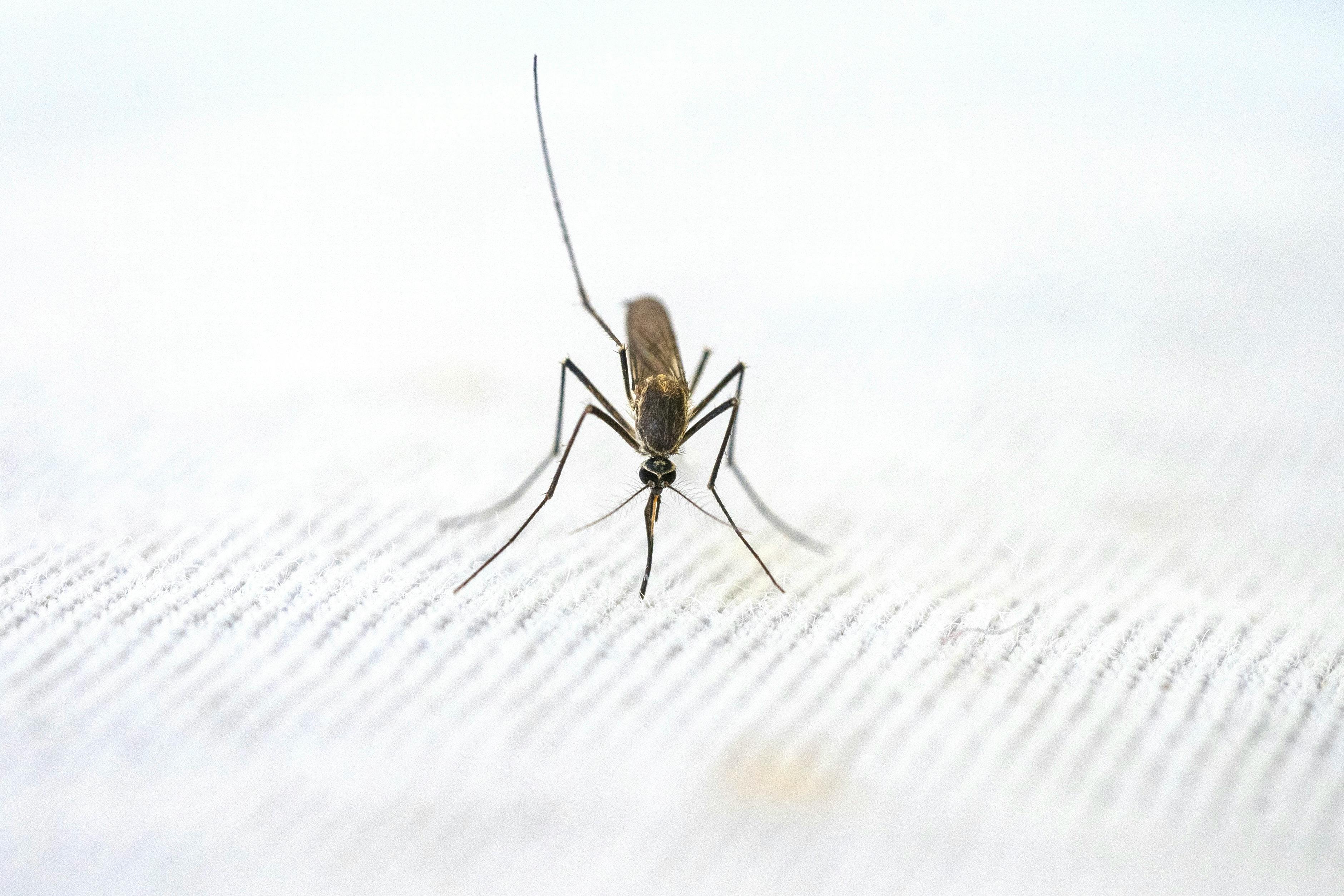
Malaria is caused by Plasmodium parasites passed on by infected female Anopheles mosquitoes. The mosquito bite may look ordinary. The illness is not.
Symptoms often start with fever, headache, tiredness, muscle aches and abdominal discomfort. Some people also get diarrhoea or a cough, which is why malaria can be mistaken for a routine travel bug at first. Falciparum malaria, the type most associated with severe disease, can worsen quickly without prompt treatment.
For UK travellers, malaria still matters. Imported cases continue to be reported each year, particularly after travel to Africa. Visiting friends and relatives can carry a specific risk because people may assume previous childhood exposure still protects them. It usually does not. Children born in the UK have no inherited protection either.
Any fever during travel in a malaria-risk area, or within a year of returning, needs urgent medical assessment.
Malaria is caused by Plasmodium parasites passed on by infected female Anopheles mosquitoes. The mosquito bite may look ordinary. The illness is not.
Symptoms often start with fever, headache, tiredness, muscle aches and abdominal discomfort. Some people also get diarrhoea or a cough, which is why malaria can be mistaken for a routine travel bug at first. Falciparum malaria, the type most associated with severe disease, can worsen quickly without prompt treatment.
For UK travellers, malaria still matters. Imported cases continue to be reported each year, particularly after travel to Africa. Visiting friends and relatives can carry a specific risk because people may assume previous childhood exposure still protects them. It usually does not. Children born in the UK have no inherited protection either.
Any fever during travel in a malaria-risk area, or within a year of returning, needs urgent medical assessment.
Malaria is caused by Plasmodium parasites passed on by infected female Anopheles mosquitoes. The mosquito bite may look ordinary. The illness is not.
Symptoms often start with fever, headache, tiredness, muscle aches and abdominal discomfort. Some people also get diarrhoea or a cough, which is why malaria can be mistaken for a routine travel bug at first. Falciparum malaria, the type most associated with severe disease, can worsen quickly without prompt treatment.
For UK travellers, malaria still matters. Imported cases continue to be reported each year, particularly after travel to Africa. Visiting friends and relatives can carry a specific risk because people may assume previous childhood exposure still protects them. It usually does not. Children born in the UK have no inherited protection either.
Any fever during travel in a malaria-risk area, or within a year of returning, needs urgent medical assessment.
There is no routine traveller malaria vaccine
At present, travellers from the UK are not usually protected against malaria with a travel vaccine. For private travel clinic purposes, prevention means three things: knowing whether your itinerary carries risk, using mosquito bite precautions properly, and taking antimalarial tablets when they are recommended.
The tablets used for malaria prevention vary by destination, resistance patterns, medical history, pregnancy status, age and other medicines. Common options include atovaquone/proguanil, doxycycline and mefloquine, but they are not interchangeable. Some are started 1 to 2 days before entering a risk area. Mefloquine normally needs to be started earlier, often a few weeks before travel, so tolerability can be checked.
You also keep taking tablets after leaving the malaria area. The length varies by medicine, so the after-travel part matters as much as the start date.
No tablet gives complete protection. Bite avoidance still counts: repellent, clothing, nets where needed, screened rooms and a sensible plan for evenings, nights and early mornings.
At present, travellers from the UK are not usually protected against malaria with a travel vaccine. For private travel clinic purposes, prevention means three things: knowing whether your itinerary carries risk, using mosquito bite precautions properly, and taking antimalarial tablets when they are recommended.
The tablets used for malaria prevention vary by destination, resistance patterns, medical history, pregnancy status, age and other medicines. Common options include atovaquone/proguanil, doxycycline and mefloquine, but they are not interchangeable. Some are started 1 to 2 days before entering a risk area. Mefloquine normally needs to be started earlier, often a few weeks before travel, so tolerability can be checked.
You also keep taking tablets after leaving the malaria area. The length varies by medicine, so the after-travel part matters as much as the start date.
No tablet gives complete protection. Bite avoidance still counts: repellent, clothing, nets where needed, screened rooms and a sensible plan for evenings, nights and early mornings.
At present, travellers from the UK are not usually protected against malaria with a travel vaccine. For private travel clinic purposes, prevention means three things: knowing whether your itinerary carries risk, using mosquito bite precautions properly, and taking antimalarial tablets when they are recommended.
The tablets used for malaria prevention vary by destination, resistance patterns, medical history, pregnancy status, age and other medicines. Common options include atovaquone/proguanil, doxycycline and mefloquine, but they are not interchangeable. Some are started 1 to 2 days before entering a risk area. Mefloquine normally needs to be started earlier, often a few weeks before travel, so tolerability can be checked.
You also keep taking tablets after leaving the malaria area. The length varies by medicine, so the after-travel part matters as much as the start date.
No tablet gives complete protection. Bite avoidance still counts: repellent, clothing, nets where needed, screened rooms and a sensible plan for evenings, nights and early mornings.
There is no routine traveller malaria vaccine
Malaria occurs across parts of tropical Africa, Asia, Central and South America, Hispaniola, the Middle East and some Pacific regions. Risk is especially important in many countries in sub-Saharan Africa, including Nigeria, Ghana, Uganda, Ethiopia, Mozambique and the Democratic Republic of the Congo. It is also relevant for parts of India, Pakistan, Bangladesh, Brazil, Peru, Papua New Guinea and Malaysian Borneo.
The detail matters. A beach resort, a high-altitude city and a rural wet-season stay can have very different advice. In some places, tablets are recommended for most travellers. In others, bite avoidance and fever awareness may be enough for lower-risk routes. Country pages are a starting point; your actual stops, season and accommodation narrow the advice.
Malaria occurs across parts of tropical Africa, Asia, Central and South America, Hispaniola, the Middle East and some Pacific regions. Risk is especially important in many countries in sub-Saharan Africa, including Nigeria, Ghana, Uganda, Ethiopia, Mozambique and the Democratic Republic of the Congo. It is also relevant for parts of India, Pakistan, Bangladesh, Brazil, Peru, Papua New Guinea and Malaysian Borneo.
The detail matters. A beach resort, a high-altitude city and a rural wet-season stay can have very different advice. In some places, tablets are recommended for most travellers. In others, bite avoidance and fever awareness may be enough for lower-risk routes. Country pages are a starting point; your actual stops, season and accommodation narrow the advice.
Malaria occurs across parts of tropical Africa, Asia, Central and South America, Hispaniola, the Middle East and some Pacific regions. Risk is especially important in many countries in sub-Saharan Africa, including Nigeria, Ghana, Uganda, Ethiopia, Mozambique and the Democratic Republic of the Congo. It is also relevant for parts of India, Pakistan, Bangladesh, Brazil, Peru, Papua New Guinea and Malaysian Borneo.
The detail matters. A beach resort, a high-altitude city and a rural wet-season stay can have very different advice. In some places, tablets are recommended for most travellers. In others, bite avoidance and fever awareness may be enough for lower-risk routes. Country pages are a starting point; your actual stops, season and accommodation narrow the advice.
Bring your itinerary, not just the country name
If your trip includes a malaria-risk area, book early enough to discuss tablets before you need to start them. Four to six weeks before travel is useful, but a late appointment can still be worthwhile. The clinic is on Goswell Road, close to Moorgate, and appointments are available Monday to Saturday. Bring your destinations, dates, medical history and current medicines so the advice can be specific from the first conversation.
If your trip includes a malaria-risk area, book early enough to discuss tablets before you need to start them. Four to six weeks before travel is useful, but a late appointment can still be worthwhile. The clinic is on Goswell Road, close to Moorgate, and appointments are available Monday to Saturday. Bring your destinations, dates, medical history and current medicines so the advice can be specific from the first conversation.
If your trip includes a malaria-risk area, book early enough to discuss tablets before you need to start them. Four to six weeks before travel is useful, but a late appointment can still be worthwhile. The clinic is on Goswell Road, close to Moorgate, and appointments are available Monday to Saturday. Bring your destinations, dates, medical history and current medicines so the advice can be specific from the first conversation.
FAQ
Travel Health FAQs
Find clear answers to the most common travel health and malaria prevention questions.
Find clear answers to the most common travel health and malaria prevention questions.
How far before travel should I book malaria advice?
Aim for 4 to 6 weeks before you travel, especially if you may need a medicine that should be started well before departure. If you are leaving sooner, do not write it off. Some malaria tablets can be started close to travel, and bite prevention advice is still useful.
Is there a malaria vaccine I can get privately in the UK?
Which malaria tablets will I need?
Can children take malaria tablets?
Do I need malaria tablets if I am only visiting a city?
How far before travel should I book malaria advice?
Aim for 4 to 6 weeks before you travel, especially if you may need a medicine that should be started well before departure. If you are leaving sooner, do not write it off. Some malaria tablets can be started close to travel, and bite prevention advice is still useful.
Is there a malaria vaccine I can get privately in the UK?
Which malaria tablets will I need?
Can children take malaria tablets?
Do I need malaria tablets if I am only visiting a city?